Introductory Summary: The Beetle’s Big Adventure
You know the polyphagous shot hole borer by now—that sesame-seed-sized beetle with a fungal sidekick and a sex life that’d make your grandma blush. We’ve unpacked its fungal farming, its “fornicatus” mating game, and its “polyphagous” tree-hopping habits. But where did this little terror come from, and how did it end up crashing gardens and forests from California to Cape Town?
In this fourth chapter, we’re hitting the road to trace its global joyride, zooming in on its South African debut—officially pegged at 2017, though it might’ve been gatecrashing earlier—and tossing in a wild card: could climate chaos, like the Western Cape’s epic drought, have lit the fuse for its big 2017 “outbreak”? Then, we’ll play fortune-teller: will it cozy up to South Africa’s trees, or will the flora fight back? Grab a snack—this is a beetle-sized epic spanning continents and centuries!
A Southeast Asian Native Goes Global
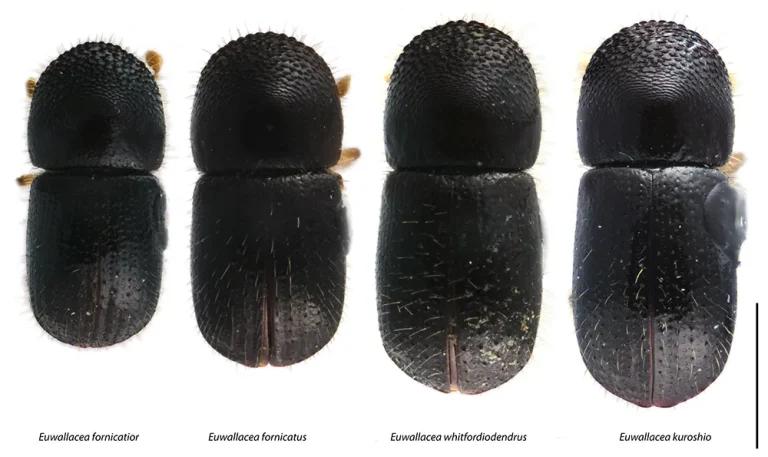
Let’s rewind to the beetle’s roots. The polyphagous shot hole borer, or Euwallacea fornicatus if you’re feeling formal, hails from Southeast Asia—think Vietnam, Thailand, and Malaysia. Back home, it’s just another ambrosia beetle, tunnelling into trees and farming its Fusarium euwallaceae fungus like a chill gardener. Trees there have had eons to get used to it, so it’s not a big deal—maybe a nibble here, a dead branch there. Natural enemies like parasitic wasps probably keep it in check, too. But this beetle’s story doesn’t stay local. It’s got wanderlust, and humans gave it a first-class ticket.
The global spread started with trade—wooden crates, pallets, and even firewood. Picture it: a female beetle tucked into a shipping crate in Hanoi, her fungal backpack packed, catching a ride to a new continent. The first big stop? Israel, around 2009. It popped up in avocado orchards near Haifa, and folks noticed trees wilting fast. Researchers later pinned it as Euwallacea fornicatus, carrying its tree-clogging fungus. From there, it hopped to California in 2003—though some say it was buzzing around Los Angeles as early as the ‘90s, misidentified as a lookalike pest. By 2012, it was official: the beetle was trashing urban trees and avocado groves, earning its “polyphagous” rep by hitting over 200 species.
It followed the same playbook everywhere it landed: bore in, plant the fungus, and watch trees drop.
Next up, Hawaii in 2007—likely via infested wood from the mainland US—then Palestine in 2019. Australia got its unwelcome guest in 2021, spotted in a Fremantle maple tree. It followed the same playbook everywhere it landed: bore in, plant the fungus, and watch trees drop. Human hustle—global shipping, tourism, you name it—turned this Southeast Asian homebody into a jet-setter. By the time it hit South Africa, it was a seasoned pro at crashing ecosystems.
South Africa’s Beetle Break-In: 2017 or Bust?
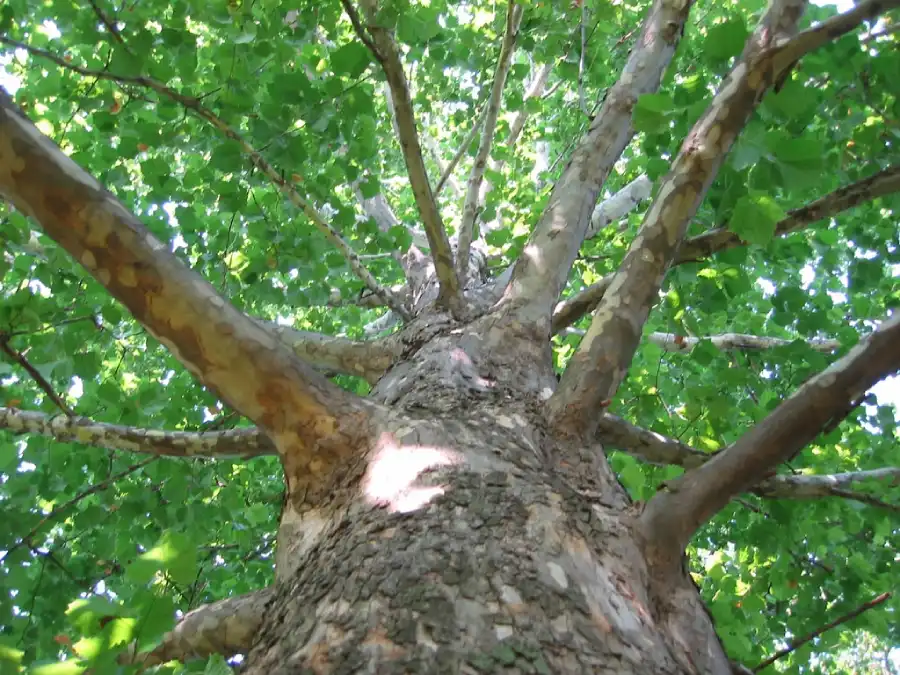
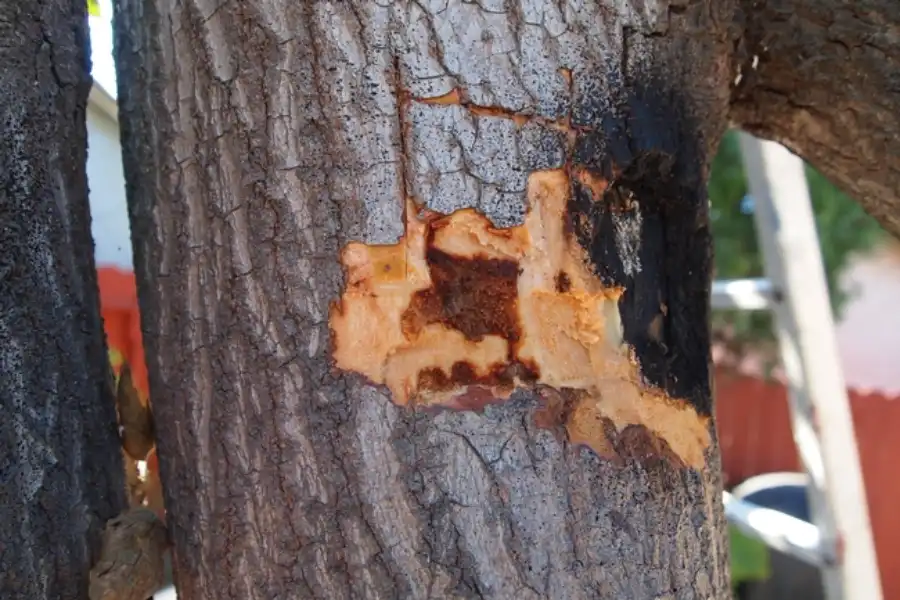
Now, let’s zoom into South Africa. The official story says the polyphagous shot hole borer crashed the party in 2017. Dr. Trudy Paap, a sharp-eyed researcher from the Forestry and Agricultural Biotechnology Institute (FABI) at the University of Pretoria, spotted it in Pietermaritzburg’s KwaZulu-Natal Botanical Gardens. She was on a routine disease hunt when she saw London plane trees looking rough—tiny holes, wilting branches, the works. Lab tests confirmed it: Euwallacea fornicatus and its fungal pal had landed. From there, it spread like gossip—Johannesburg, Cape Town, George, you name it. By 2025, it’s in eight of nine provinces, with Limpopo still holding out (maybe).
But here’s the kicker: 2017 might not be the actual start date. Dig into the archives; there’s a hint it was here earlier. A Durban sample from 2012, stashed away and later DNA-tested, matches the beetle’s profile. That’s five years before Paap’s official “aha!” moment. So, was it lurking in the shadows, quietly boring into trees, unnoticed because folks blamed drought or other bugs? Possibly. South Africa’s urban forests—think Johannesburg’s 10 million trees—were ripe for the picking, and its knack for hiding in firewood or crates could’ve let it slip in under the radar. Maybe a rugby fan hauled infested wood to a braai, as some speculate, and bam—beetle central.
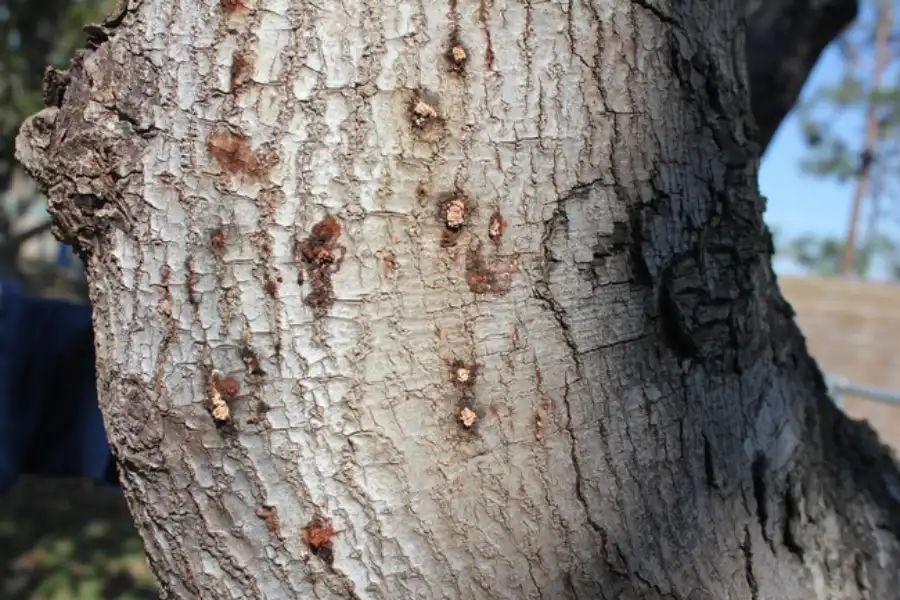
Then comes 2017, and it’s suddenly everywhere. Why the big “outbreak”? Enter climate change. That year, South Africa was reeling from weird weather—especially the Western Cape, where a brutal drought was sucking the life out of Cape Town. Day Zero loomed, dams dried up, and trees were stressed to the max. Stressed trees are like candy to ambrosia beetles—they’re weaker and less able to fight off invaders. The Western Cape’s 2015–2017 drought, later pegged as three times more likely due to human-driven warming (per the IPCC), could’ve been the beetle’s VIP invite. Somerset West saw its first confirmed sighting in March 2018, hot on the drought’s heels, and it’s no stretch to think parched trees rolled out the welcome mat.
The 2017 “outbreak” might’ve been less a sudden arrival and more a perfect storm: a beetle already here, supercharged by a climate gone haywire.
But it wasn’t just the Cape. KwaZulu-Natal had its own dry spells, and Joburg’s urban sprawl—full of pruned, stressed-out trees—gave the beetle plenty of targets. Climate change didn’t just open the door; it might’ve handed the beetle a megaphone. Warmer temps speed up its breeding (22 days from egg to adult in good conditions), and drought-weakened trees can’t muster the sap or defences to kick it out. Records show it hit Knysna’s natural forests by 2019, munching on native Virgilia oroboides—a sign it wasn’t just an urban pest anymore. The 2017 “outbreak” might’ve been less a sudden arrival and more a perfect storm: a beetle already here, supercharged by a climate gone haywire.
The Future: Integration or Rebellion?
So, what’s next for this globe-trotting borer? Will it settle into South Africa’s ecosystem like an annoying roommate, or will the trees stage a comeback? Let’s speculate with a bit of science and a sprinkle of hope.
First is integration. Back in Southeast Asia, the beetle’s no biggie—trees there have built-in resistance, and predators like wasps keep it tame. Could South Africa’s flora adapt over time? Maybe. Some trees, like pecans or olives, are “non-reproductive” hosts—the beetle bores in but can’t breed. A 2023 study from FABI showed wild African olives shrug off Fusarium euwallaceae better than cultivated ones, hinting at natural toughness. If native species like acacias or Virgilia start pumping out more sap or chemical defences, they might limit the beetle’s fungal farms. Evolution’s slow, though—decades, not years—so don’t hold your breath.
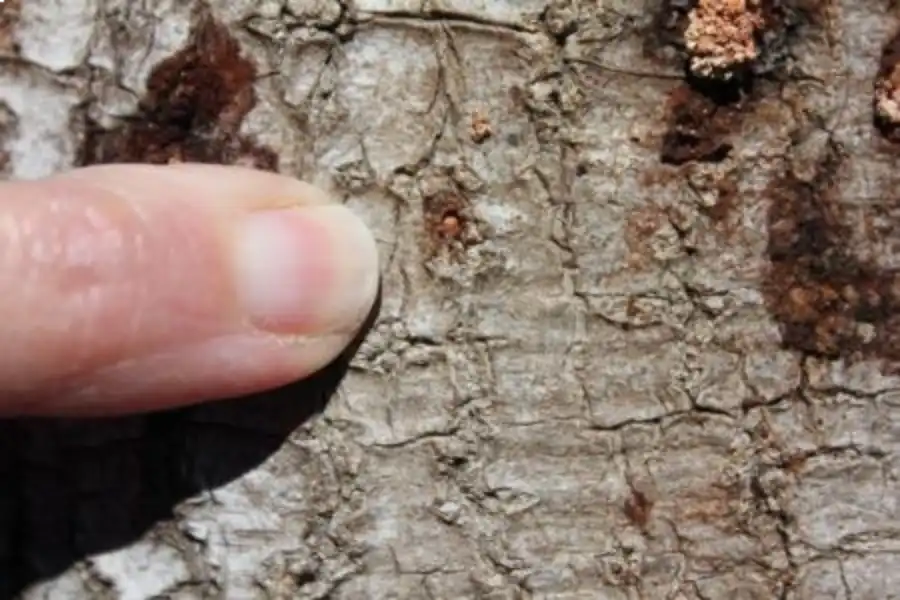
Climate’s the wild card. If droughts keep hitting (projections say southern Africa’s in for more than 1.5°C warming), stressed trees will stay vulnerable. But if rains return, healthier trees could fight back. The beetle’s polyphagous streak—over 100 South African species hit—means it’s got options, but not all are equal. Box elders and oaks are its VIP hosts; maybe culling those could slow it down, letting less tasty trees toughen up. Researchers like Francois Roets from Stellenbosch University think commercial orchards might dodge the worst with smart management—think monitoring, not miracles.
Learn More
View our YouTube Channel and learn more about the Polyphagous Shot-Hole Borer
Resistance is trickier. Trees don’t evolve fast, but fungi might. If Fusarium euwallaceae mutates to dodge tree defences, the beetle’s edge sharpens. On the flip side, South Africa could import a biocontrol wasp from Vietnam—lab tests show promise, but releasing it’s a regulatory maze. A 2020 piece in Phys.org noted Cape Town’s coordinated response—felling infested trees fast—slowed the spread. Scale that up, and integration might lean toward containment, not harmony.
Here’s my bet: the beetle’s here to stay, but it won’t rule forever. Urban forests will take the hardest hit—R275 billion in damage over a decade, some estimate—if we slack off. Native ecosystems might adapt slowly, with pioneers like Virgilia holding the line. Climate change could tip the scales either way—more heat and drought fuel the beetle; wetter years give trees a breather. Picture a tug-of-war: the beetle’s got numbers and hustle, but South Africa’s flora has grit. In 50 years, it might be a pesky local, not a tree apocalypse—assuming we don’t keep shipping it free rides.
At ConSarca, our goal is to break down the complex story of the polyphagous shot hole borer into bite-sized, easy-to-grasp pieces. We’re here to help you see past the beetle’s tiny tunnels and understand the real threat—the fungus it carries. More than that, we want to arm you with the know-how to spot an infestation early, shield your healthy trees from this sneaky duo, and even nurse infected ones back to health without reaching for the chainsaw. Whether you’re a homeowner, a gardener, or just someone who loves trees, we’re your go-to resource for tackling this pest the smart way—because knowing the full story is the first step to fighting back.