Introductory Summary: What You Need to Know
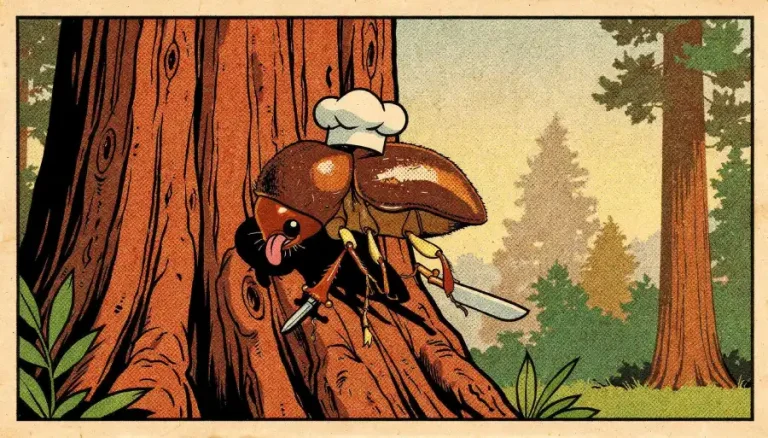
If you’ve heard of the polyphagous shot hole borer, you probably picture a tiny beetle chewing through trees, leaving behind a trail of sawdust and dead branches. It’s the villain in the story, right? Well, not quite. This little pest, buzzing around places like California and South Africa, has become a hot topic—farmers curse it, homeowners dread it, and scientists scramble to stop it. But here’s the twist most people don’t know: the beetle isn’t the real killer. It’s just the delivery guy. The true mastermind behind the destruction is a fungus it carries, and that’s where the real conversation needs to start.
See, the shot hole borer doesn’t munch on wood or suck sap like you might expect. Instead, it’s got a wild partnership with a fungus—a relationship so sneaky and clever that it’s flown under the radar for way too long. While folks point fingers at those telltale “shot holes” dotting tree trunks, the beetle’s just setting the table. It’s the fungus that sits down to feast, spreading inside the tree and choking it from the inside out. Most people miss this part, blaming the bug for the whole mess when it’s really the fungal hitchhiker calling the shots.
So why does this matter? Because understanding this duo flips the script on how we tackle the problem. It’s not just about squashing beetles—it’s about wrestling with the invisible invader they bring along. In this blog, we’re pulling back the curtain on this beetle-fungus tag team, shining a light on a connection few talk about. Get ready to rethink everything you thought you knew about the polyphagous shot hole borer—and meet the real enemy in the shadows.
It’s not just about squashing beetles—it’s about wrestling with the invisible invader they bring along.
The Shot Hole Borer—A Tiny Terror in the Spotlight
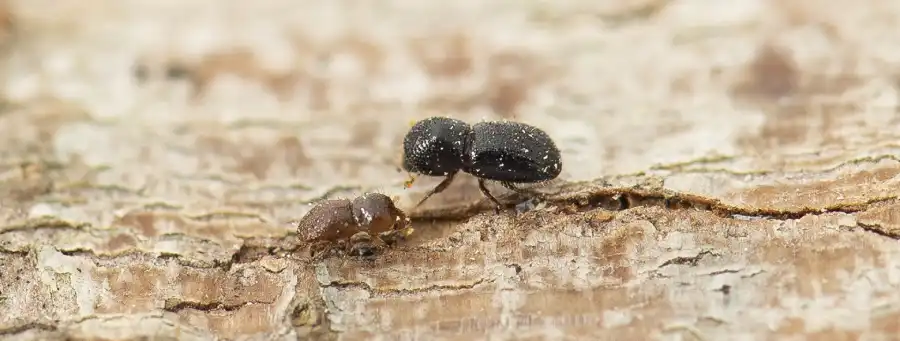
If you’ve been anywhere near a gardening forum, a forestry news site, or even your local park lately, you’ve probably heard whispers—or downright shouts—about the polyphagous shot hole borer. This little beetle, no bigger than a grain of rice, has become a hot topic, and for good reason. It’s not just another bug munching on leaves; it’s a tree-killing machine that’s got scientists, farmers, and homeowners on edge. From California’s avocado groves to South Africa’s urban forests, this pest is making headlines as an invader that’s tough to stop. But why all the buzz? It’s not just the beetle itself—it’s the sneaky partnership it has with a fungus that’s turning healthy trees into ghostly skeletons. In this blog, we’re diving into the world of this notorious critter, exploring its roots as an ambrosia beetle, and uncovering the real mastermind behind the destruction. Buckle up—it’s a wild ride through nature’s underworld!
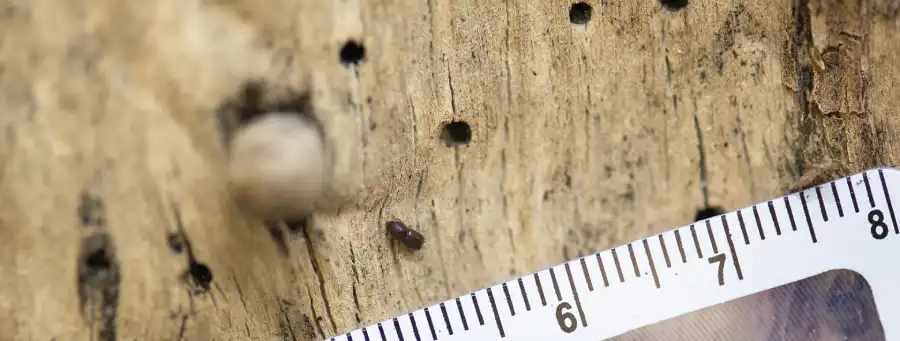
Meet the Ambrosia Beetle: Where It All Begins
To understand the polyphagous shot hole borer, we need to zoom out and meet its family: the ambrosia beetles. Yes, the shot hole borer is one of these, and that’s our starting line. Ambrosia beetles (Scolytinae subfamily, for the science buffs) aren’t your typical wood-chomping insects. They’re a quirky bunch with a unique lifestyle that sets them apart from other beetles. Instead of eating tree bark or sap, these tiny architects bore into wood to create cozy tunnels—not for themselves, but for something else entirely. That “something” is their partner in crime: ambrosia fungi. The shot hole borer’s story begins here, in this strange beetle-fungus relationship that’s been around for millions of years. Knowing this connection is key because it explains why this pest is so effective—and why it’s not just a solo act. So, let’s dig into what makes ambrosia beetles tick and how they team up with fungi to survive.
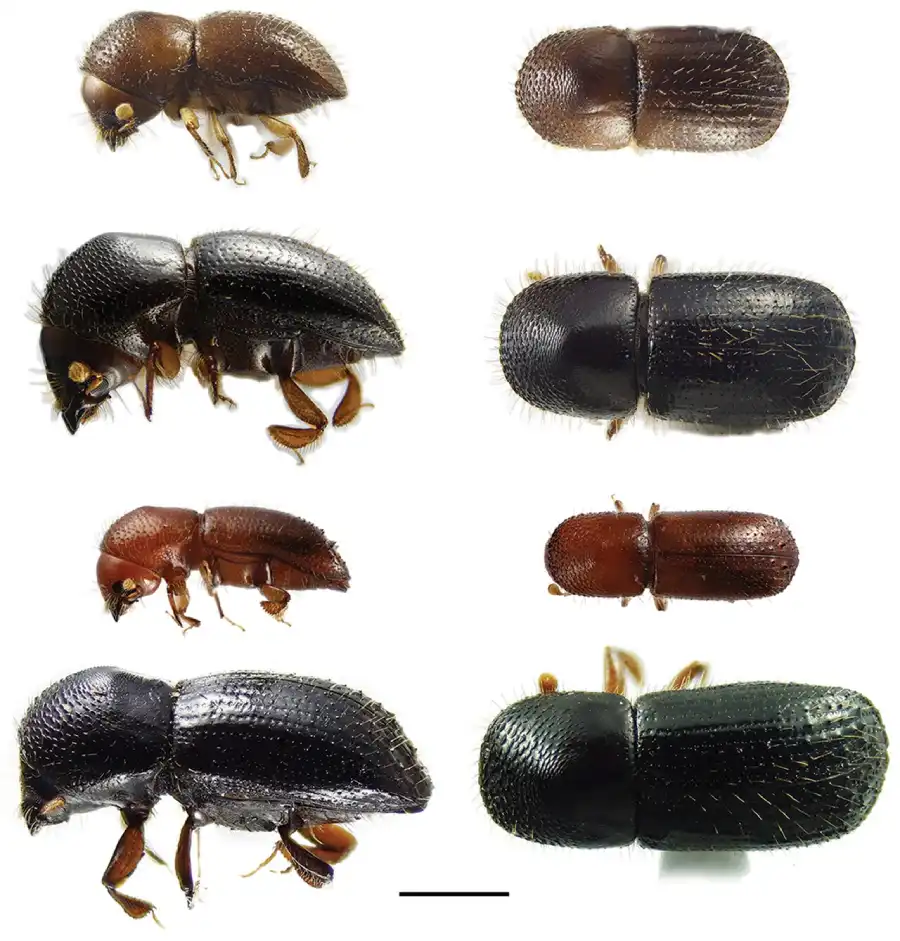
Ambrosia Beetles and Their Fungal Farmers
Ambrosia beetles are like tiny farmers, and their crop is a group of fungi officially called Ambrosia fungi (often species like Fusarium, Raffaelea, or Graphium). Here’s how it works: the beetle—say, our polyphagous shot hole borer—drills into a tree, leaving those signature “shot holes” that look like someone peppered the trunk with a BB gun. As it tunnels, it carries bits of fungus tucked in special pockets on its body called mycangia. Think of these as little fungal backpacks. Once inside the tree, the beetle “plants” the fungus along the tunnel walls. The fungus takes off, growing into a tasty, nutrient-rich layer that the beetle and its larvae feed on. It’s a win-win: the beetle gets food, and the fungus gets a ride to new trees.
They’ll go after healthy, thriving trees, too, turning their farming gig into a full-on invasion.
Normally, ambrosia beetles pick on trees that are already struggling—dead logs, storm-damaged branches, or sickly trunks. It’s like they’re nature’s cleanup crew, recycling weak wood. But here’s the twist: some ambrosia beetles, including the polyphagous shot hole borer, don’t play by those rules. They’ll go after healthy, thriving trees too, turning their farming gig into a full-on invasion. That’s where things get messy—and why we need to talk about the fungus next.
The Real Villain: Ambrosia Fungi and Tree Trouble
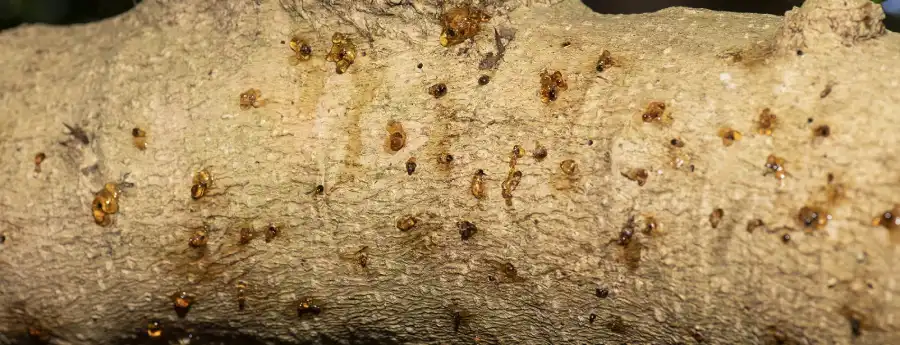
Let’s shine the spotlight on the ambrosia fungi—like Fusarium euwallaceae, the one hitched to the polyphagous shot hole borer. This isn’t just a snack for the beetle; it’s a tree’s worst nightmare. Once the beetle drops it off inside the tree, the fungus starts spreading through the vascular system—the tree’s lifeline that moves water and nutrients. Picture the xylem as a network of pipes running from roots to leaves. The fungus grows like a weed in there, clogging those pipes and cutting off the water supply. It’s like a dam blocking a river—everything upstream dries up.
Learn More
View our YouTube Channel and learn more about the Polyphagous Shot-Hole Borer
On top of that, the fungus can churn out toxins that poison the tree’s tissues, making branches wilt and leaves drop. Over weeks or months, the tree starts looking like it’s given up—brown, brittle, and lifeless. For dead or dying trees, this isn’t a big deal; they were already on their way out. But when the fungus hits a healthy tree, it’s a game-changer. The tree doesn’t have time to fight back, and that’s what makes this duo so destructive. The beetle might dig the hole, but the fungus seals the deal.
The beetle might dig the hole, but the fungus seals the deal.
Back to the Polyphagous Shot Hole Borer: The Invasive Superstar
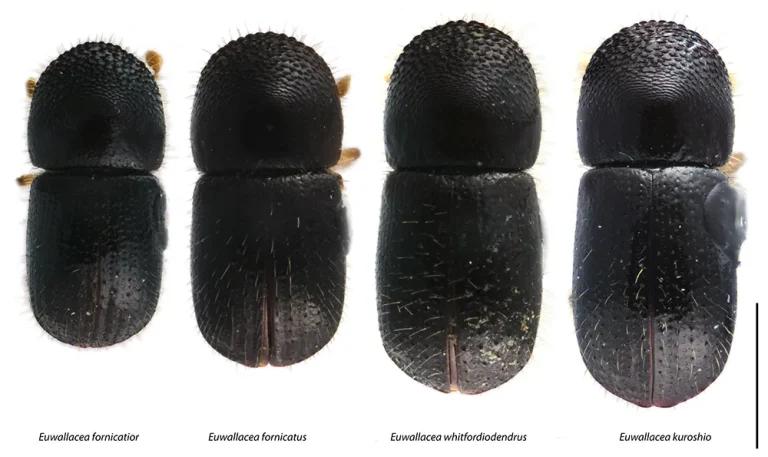
Now, let’s circle back to our main character: the polyphagous shot hole borer (Euwallacea species). This little beetle isn’t content with sticking to the sidelines like most ambrosia beetles. Native to Southeast Asia, it’s hitched rides around the world—think shipping crates or firewood—and landed in places like California, Israel, and South Africa. What makes it such a headache? First, it’s picky but not too picky—it attacks over 200 tree species, from oaks to avocados to maples. Second, it doesn’t care if a tree’s healthy or not. Unlike its cousins that stick to downed logs, this borer barges into living, thriving trees and sets up shop.
Its invasiveness comes down to teamwork with its fungus, plus a knack for spreading fast. A single female can start a colony, laying eggs in her tunnels, and soon you’ve got a beetle army pumping out more fungus. Add climate change and global trade to the mix, and you’ve got a recipe for a pest that’s tough to stop. Farmers lose crops, cities lose shade, and ecosystems take a hit. It’s no wonder this bug’s a hot topic—it’s rewriting the rules of what an ambrosia beetle can do.
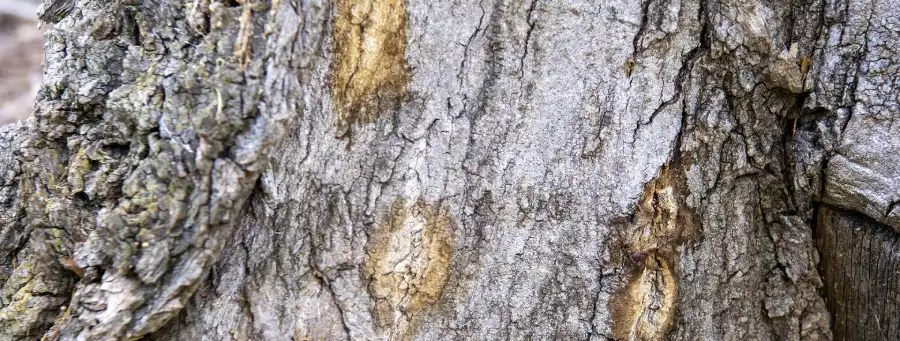
The Final Blow: It’s the Fungi, Not the Beetle
Here’s the kicker: the polyphagous shot hole borer might get the blame, but it’s not the one killing trees. Sure, it drills the holes and brings the party, but the ambrosia fungus—Fusarium euwallaceae—is the real executioner. The beetle’s just the delivery guy. Once that fungus gets into the tree’s vascular system, it’s game over. Water stops flowing, nutrients can’t move, and the tree starves or dries out—or both. You might see the shot holes and think, “Oh, the beetle ate it to death,” but nope. The beetle’s munching on fungus, not wood. It’s the fungal takeover that turns a tree into a goner.
This twist is why fighting this pest is so tricky. You can’t just zap the beetles and call it a day—the fungus is already in there, doing its dirty work. It’s a reminder of how nature’s partnerships can go rogue, especially when humans accidentally shuffle species around the globe. So next time you hear about the shot hole borer, remember: it’s the fungi pulling the strings.
At ConSarca, our goal is to break down the complex story of the polyphagous shot hole borer into bite-sized, easy-to-grasp pieces. We’re here to help you see past the beetle’s tiny tunnels and understand the real threat—the fungus it carries. More than that, we want to arm you with the know-how to spot an infestation early, shield your healthy trees from this sneaky duo, and even nurse infected ones back to health without reaching for the chainsaw. Whether you’re a homeowner, a gardener, or just someone who loves trees, we’re your go-to resource for tackling this pest the smart way—because knowing the full story is the first step to fighting back.