Introductory Summary: The Fungus That Runs the Show
Learn More
View our YouTube Channel and learn more about the Polyphagous Shot-Hole Borer
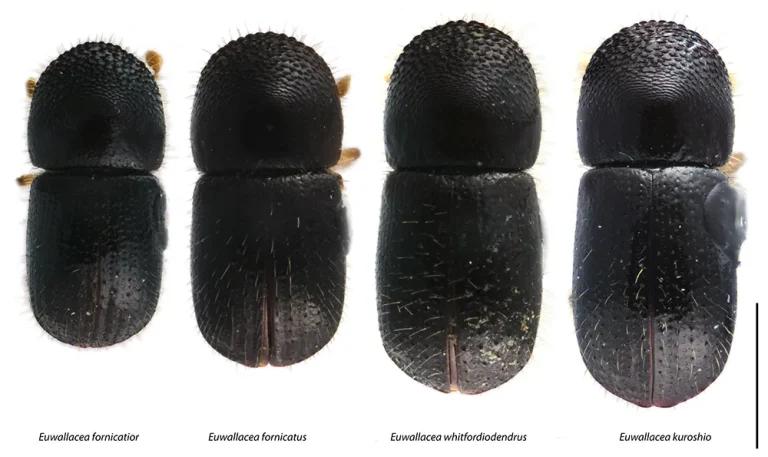
You’ve met the polyphagous shot hole borer—that tiny beetle with a wild sex life and a tree-hopping habit that’s got half the world pulling their hair out. We’ve spilled the beans on its “fornicatus” mating game, its “polyphagous” buffet of 200+ tree species, and its jet-setting journey from Southeast Asia to South Africa. But there’s one player we’ve only half-introduced: its fungal sidekick, Fusarium euwallaceae. This isn’t just some tag-along—it’s the brains of the operation, the real reason trees from California orchards to Cape Town parks are turning into brittle ghosts. Sure, the beetle drills the holes, but it’s the fungus that seals the deal.
In this fifth instalment, we’re shining the spotlight on Fusarium euwallaceae—how it works, why it’s so nasty, and what makes it the shot hole borer’s perfect plus-one. Get ready to meet the fungal mastermind in terms even your neighbour’s dog could nod along to!
The Beetle’s Delivery Guy, the Fungus’s Feast
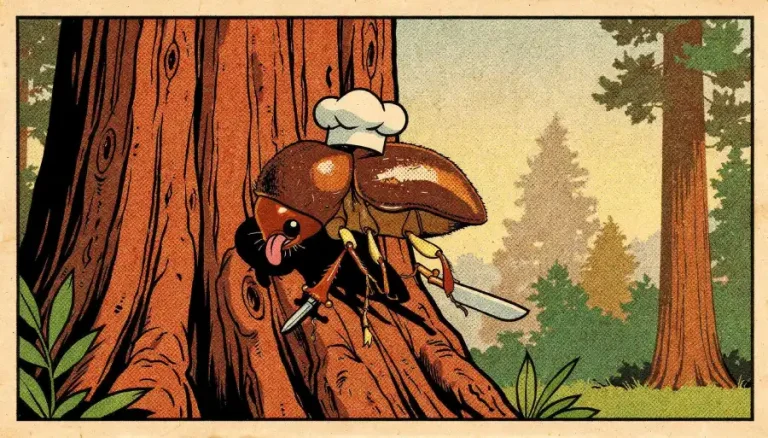
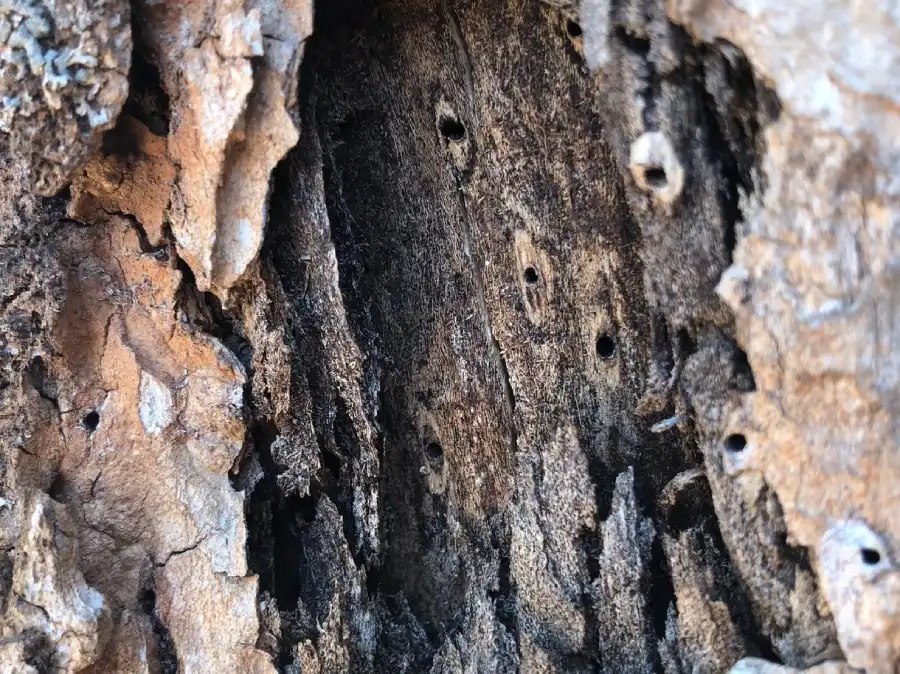
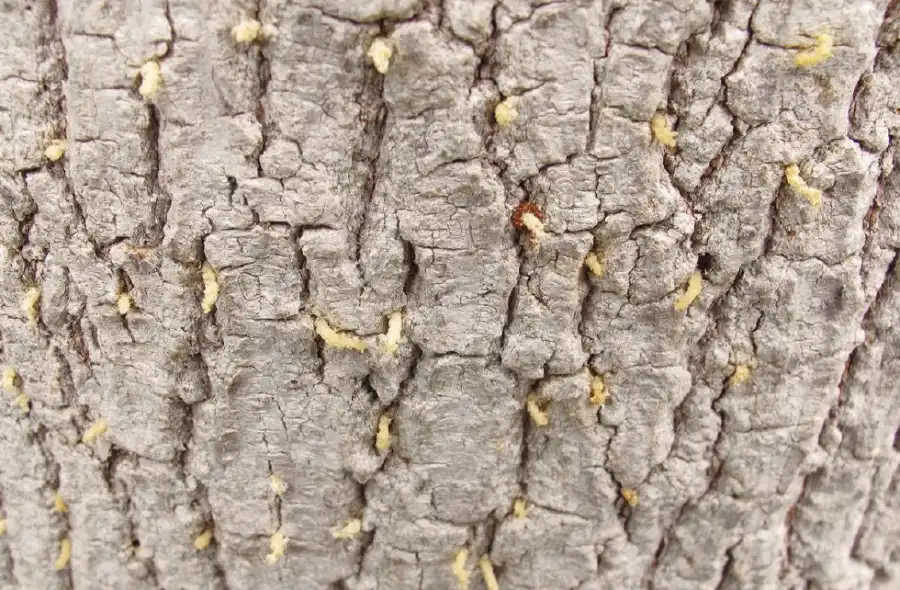
Let’s set the scene. Picture the shot hole borer as a sneaky courier, buzzing up to a tree—say, an avocado in Durban or an oak in Los Angeles. It’s got a little backpack (okay, science calls it mycangia—fungal pockets on its body) stuffed with Fusarium euwallaceae. The beetle bores in, leaving those BB-gun-style “shot holes,” and drops off its package. But here’s the twist: the beetle isn’t eating the tree. It’s not chowing on bark or slurping sap like a vampire. Nope, it’s farming. It plants the fungus along the tunnel walls, and Fusarium euwallaceae takes over from there. The beetle nibbles on the fungus, not the wood—think of it as tending a mushroom garden. The tree? It’s just the unlucky host.
Once inside, it’s like a kid with a new Lego set—it starts building fast.
So, what’s this fungus up to? Once inside, it’s like a kid with a new Lego set—it starts building fast. It spreads through the tree’s plumbing; a network called the xylem that carries water from roots to leaves. Imagine your kitchen sink: if gunk clogs the pipes, no water flows. That’s Fusarium euwallaceae in a nutshell—it grows like a weed, blocking the xylem and starving the tree of water. A study from UC Riverside (Eskalen et al., 2013) showed it can choke off water flow in weeks, turning green branches brown. But it’s not just a plumber’s nightmare—it’s got a mean streak too.
Poison and Plugs: How the Fungus Kills
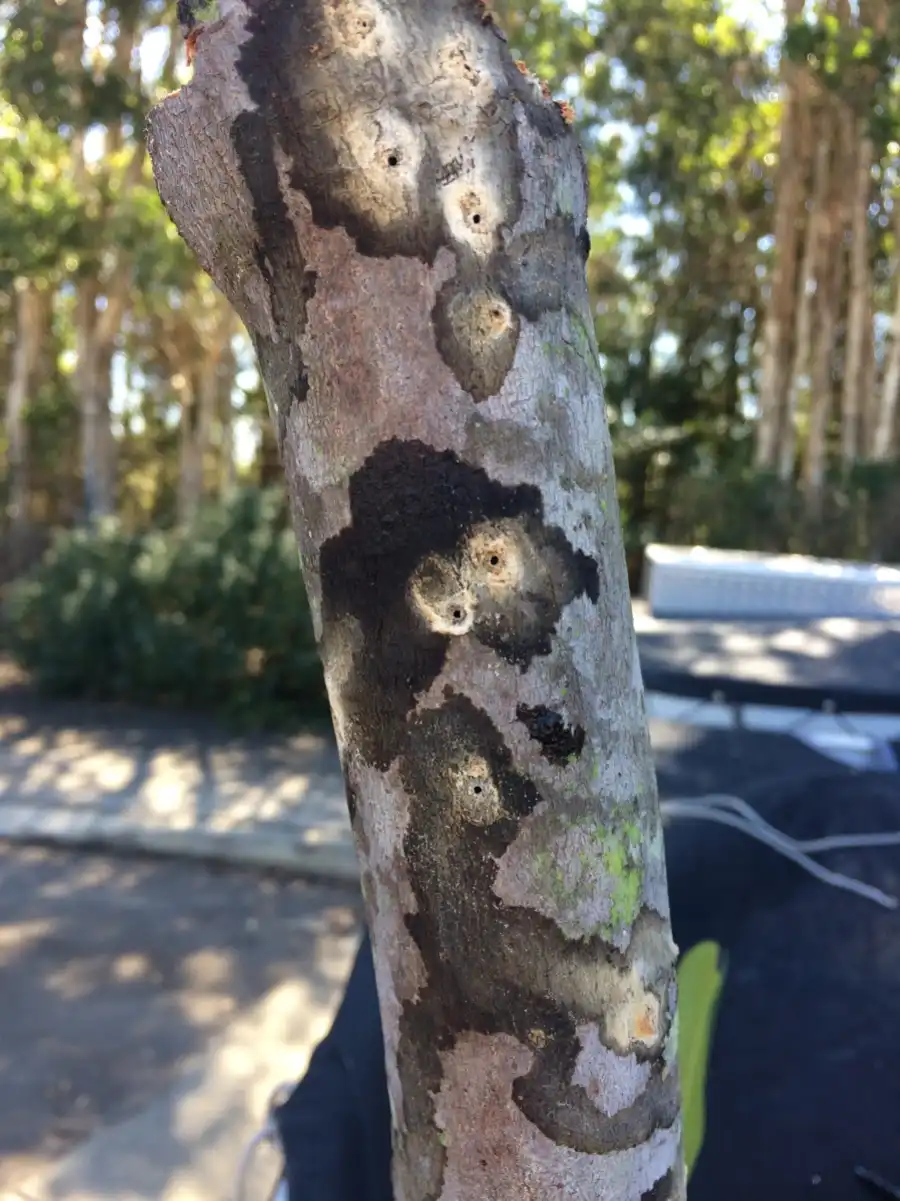
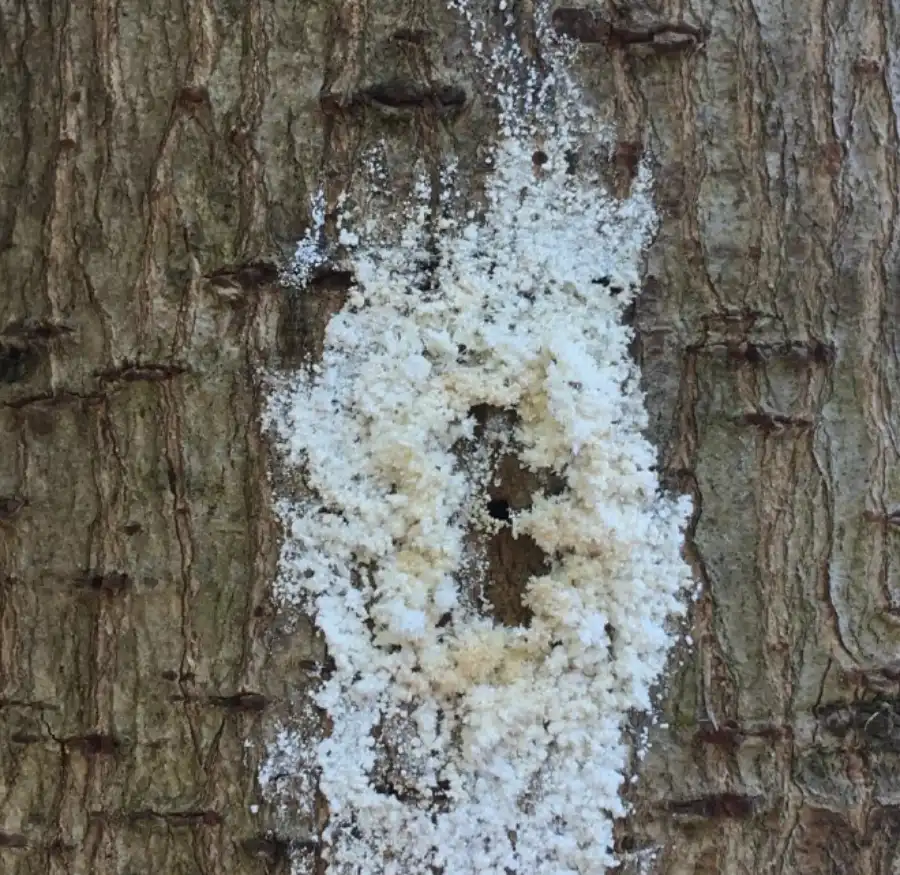
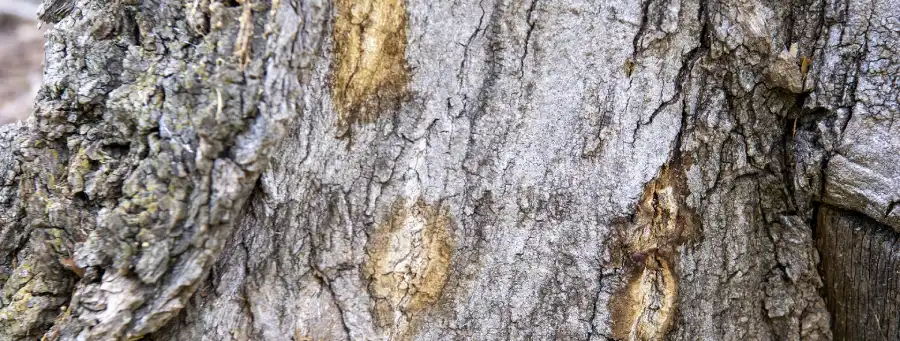
Here’s where Fusarium euwallaceae gets nasty. It’s not content with just clogging things up—it’s got a toxic edge. As it grows, it pumps out chemicals—think of them as fungal spit—that mess with the tree’s insides. These toxins break down cell walls, wilt leaves, and make the tree look like it’s had a rough night. Picture a bad cold: your nose gets stuffed (clogged xylem), and you feel lousy (toxins). For trees, it’s a one-two punch. In avocado groves, farmers see sap oozing from shot holes—sometimes sugary “frass” from the beetle-fungus combo—like the tree’s crying for help. By the time leaves drop, it’s too late.
For example, a 2018 outbreak hit backyard figs in Somerset West, South Africa. Owners noticed tiny holes, then sticky sap, then whole branches dying in a month. Lab tests (FABI, 2018) confirmed Fusarium euwallaceae had turned the figs’ xylem into its playground. It’s sneaky too—it thrives in warm, humid spots, which is why Southeast Asia, its home turf, is no big deal. Trees there shrug it off. But it’s a wrecking ball in new places like South Africa or California, where it’s an outsider. The beetle might dig the hole, but the fungus is the demolition crew.
It’s a wrecking ball in new places like South Africa or California.
A Picky Partner With a Taste for Chaos
Now, let’s get to know Fusarium euwallaceae a bit better. It’s part of the Fusarium family—big shots in the fungal world, known for rotting crops like bananas (Fusarium oxysporum, anyone?). But this one’s special—it’s an ambrosia fungus, meaning it’s evolved to live with beetles like our shot hole borer. It’s not floating around in the air waiting to land; it needs that beetle taxi to get around. The borer’s mycangia are like a VIP limo—studies (Freeman et al., 2016) found the fungus grows tiny spores there, perfect for hitching a ride. Once delivered, it’s got a Goldilocks vibe: not too dry, not too wet. That’s why drought-stressed trees—like those in the Western Cape’s 2017 crunch—are its jam. Weak trees can’t fight back with sap or defences, so it moves in like a squatter.
Here’s a fun titbit: in lab tests, researchers grew Fusarium euwallaceae on petri dishes and found it loves a balmy 25–30°C (77–86°F)—same as a nice Durban summer day. That’s no coincidence; it’s why warming climates might be rolling out the red carpet. A 2019 spike coincided with a heatwave in Israel’s avocado orchards—trees were already panting, and the fungus feasted. It’s not just a killer; it’s an opportunist, piggybacking on the beetle’s polyphagous spree to hit everything from maples to macadamias.
Why It’s the Beetle’s Perfect Match
So, why does Fusarium euwallaceae make the shot hole borer such a champ? It’s a match made in tree-hell. The beetle’s a delivery pro—one female can start a colony, as we’ve covered, and her daughters fly off with fungal carry-ons. Each new tunnel is a fungal farm, and since the beetle hits 200+ tree species, the fungus gets a buffet. In California, it’s trashed sycamores in LA parks—big, shady giants gone in a year (LA Times, 2015). In South Africa, it’s taken out Knysna’s native Virgilia trees, proving it doesn’t care if you’re exotic or local. The beetle’s “fornicatus” breeding speeds things up, but the fungus keeps the chaos going long after the beetles move on.
The beetle was gone, but the fungus stayed, ready for new tenants.
Here’s an example to chew on: in Johannesburg’s urban forest—10 million trees strong—a 2020 survey found Fusarium euwallaceae lingering in stumps after infested oaks were cut. The beetle was gone, but the fungus stayed, ready for new tenants. It’s not just a partner; it’s a legacy, sticking around to clog and conquer. That’s why zapping beetles alone won’t cut it—the fungal genie’s out of the bottle.
The Future: Fungus vs. Tree Smackdown?
What’s next for this mastermind? Back in Southeast Asia, it’s chill—trees there have built defences over millennia, like tougher xylem or antifungal sap. Could that happen elsewhere? Maybe. A 2023 FABI study found wild African olives (Olea africana) resist better than cultivated ones—less fungal spread, more fight. But evolution’s slow, and Fusarium euwallaceae might adapt too. If it tweaks its toxins or spores, it could outpace tree defences. Or—and this is wild—could it ditch the beetle? Some Fusarium species spread solo; if this one mutates, watch out.
For now, it’s the beetle’s perfect wingman, turning shot holes into tree obituaries. Next time you see a wilting branch, don’t just curse the borer—tip your hat to Fusarium euwallaceae, the fungal fiend pulling the strings. It’s not just along for the ride—it’s driving the bus.
At ConSarca, our goal is to break down the complex story of the polyphagous shot hole borer into bite-sized, easy-to-grasp pieces. We’re here to help you see past the beetle’s tiny tunnels and understand the real threat—the fungus it carries. More than that, we want to arm you with the know-how to spot an infestation early, shield your healthy trees from this sneaky duo, and even nurse infected ones back to health without reaching for the chainsaw. Whether you’re a homeowner, a gardener, or just someone who loves trees, we’re your go-to resource for tackling this pest the smart way—because knowing the full story is the first step to fighting back.