
The Beetle: Everything About The Polyphagous Shot-Hole Borer
Your one-stop destination to learn about the polyphagous shot-hole borer (PSHB). Series of articles with all the information to bring you up to speed, and shorter snippets for FAQ (Frequently Asked Questions).
21 Critical Facts About the Polyphagous Shot Hole Borer
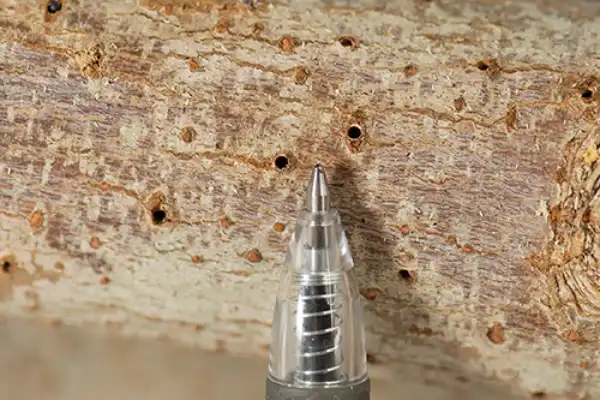
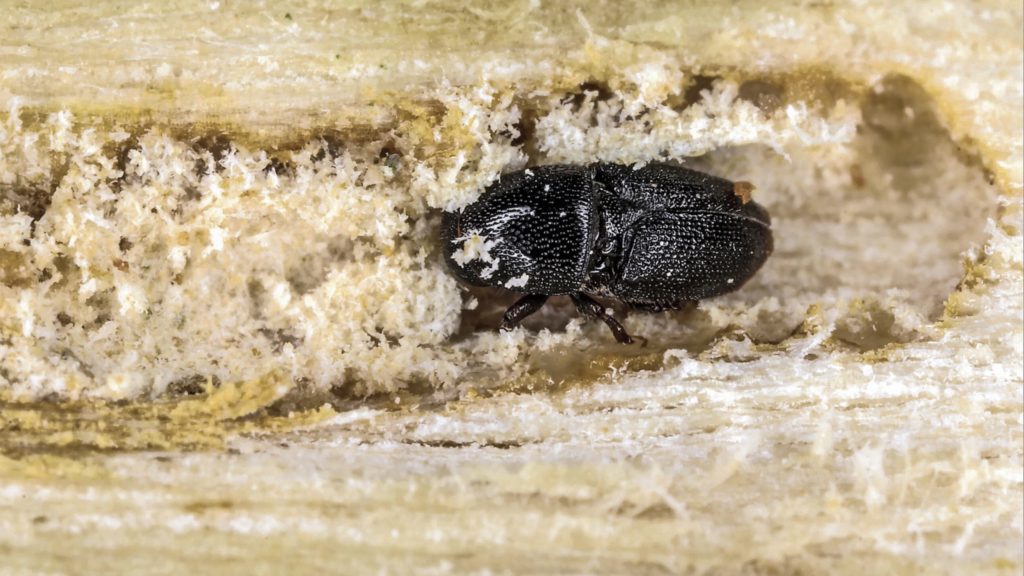
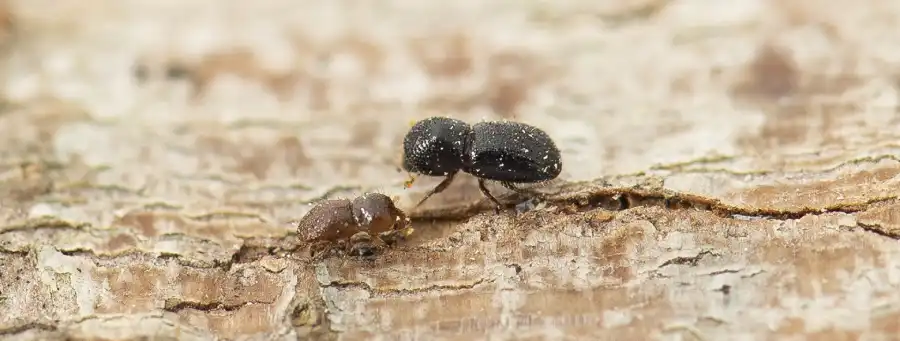
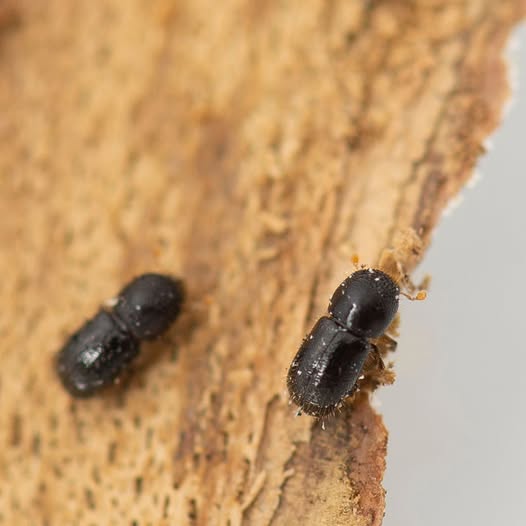
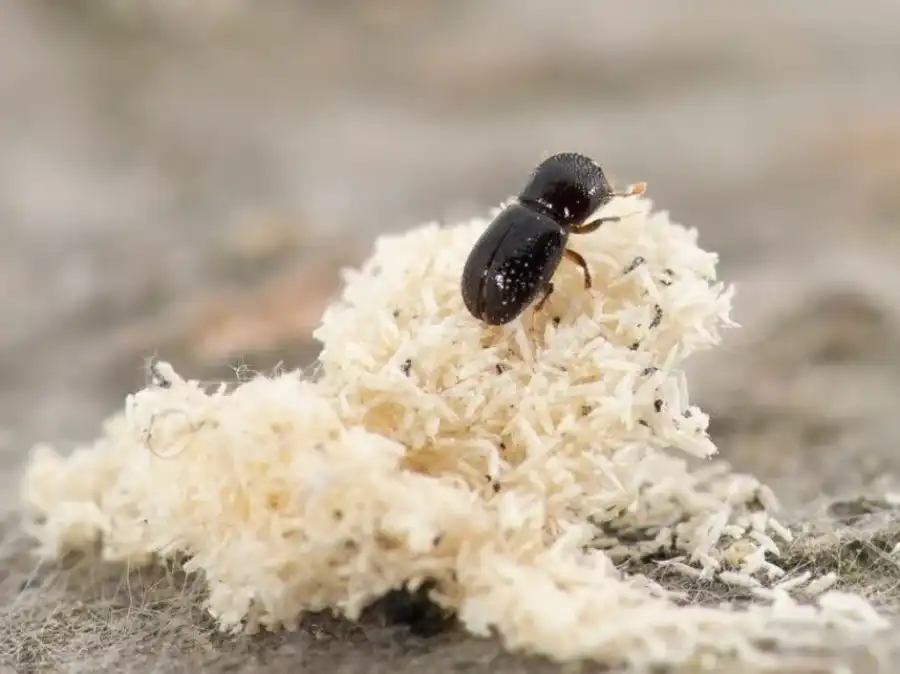
It is rare to identify the shot hole borer in your garden by actually seeing the beetle. Instead, the symptoms of its presence (like dying branches or sap oozing from holes in the tree trunk) are more likely to draw your attention.
Article Series
Dive into the shot-hole borer’s world! We’ve cut the fluff, packed in the facts, and spun a captivating tale. New to this pest? Start at the beginning and journey through its bizarre life. You won’t believe what you’ll discover.
Frequently Asked Questions
A few snippet-like answers to frequently asked questions about the Polyphagous Shot-Hole Borer.
Yes, the Polyphagous Shot Hole Borer (PSHB) is present in South Africa. It was first detected in 2017 and has since been found in several provinces, including Gauteng, KwaZulu-Natal, and the Western Cape.
The Polyphagous Shot Hole Borer (PSHB) is native to Southeast Asia, specifically Vietnam and Taiwan. It has been accidentally introduced to other parts of the world, including South Africa, through international trade and human activity.
The Polyphagous Shot Hole Borer (PSHB) is a tiny beetle, approximately 2 mm in length, making it challenging to spot with the naked eye. It’s often easier to identify the symptoms of an infestation, such as tiny holes on tree trunks, branches, and stems, or staining and discoloration around the holes. A magnifying glass or hand lens can be helpful in spotting the beetle itself.
The Polyphagous Shot Hole Borer (PSHB) kills trees by introducing a fungus, Fusarium euwallaceae, into the tree’s vascular system. The beetle creates tunnels in the tree, and the fungus grows, blocking the tree’s ability to transport water and nutrients. This leads to dieback, yellowing of leaves, and eventual tree death. The fungus also produces toxins that further damage the tree. This process can occur rapidly, often within a few months to a year.
The Fusarium euwllaceae fungus is a successful killer of trees because it is well adapted to its role as a pathogen. It produces toxins that disrupt the tree’s vascular system, cutting off its ability to transport water and nutrients. The fungus also grows rapidly, colonizing the tree’s tissues and producing enzymes that break down its defenses. Additionally, the fungus is protected from the tree’s immune system by the beetle’s tunnels, allowing it to grow unchecked and ultimately kill the tree.
The Polyphagous Shot Hole Borer (PSHB) is difficult to stop due to its tiny size, allowing it to hide in small crevices and cracks. It can also survive for weeks without food or water, making it resistant to quarantine measures. Additionally, the beetle can be transported through contaminated wood, soil, and plant material, making it easy to spread unintentionally. Its ability to infest a wide range of tree species also complicates control efforts.